


The Mothers We Blame: Substance Use Disorder, Motherhood, and the Double Standard
Updated: Jul 27

Author of the Month
July 20, 2026
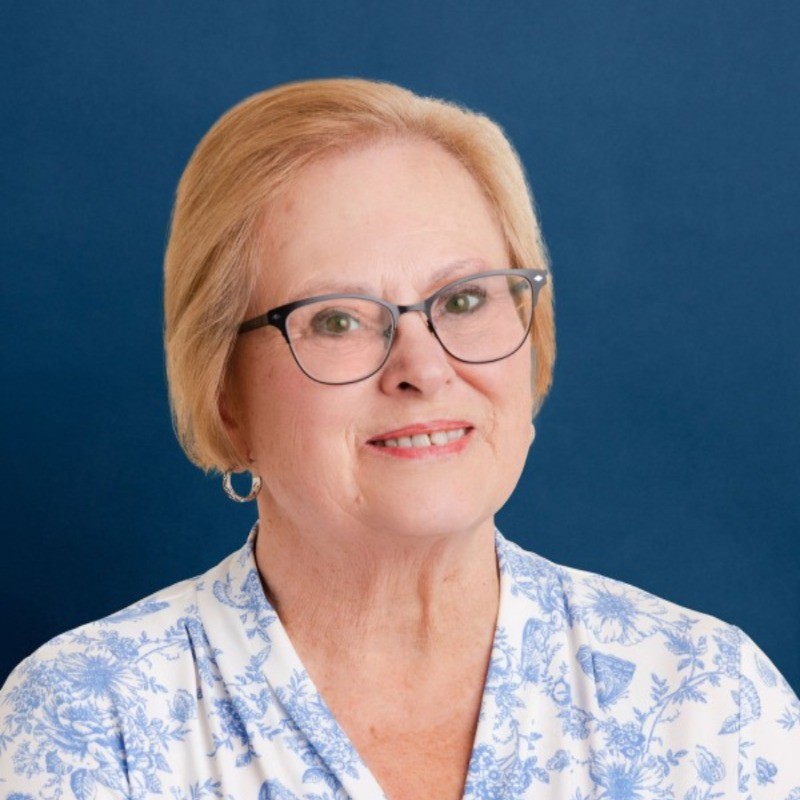
Sandra Rivers, MA, CASAC-M, RCP, Author & Founder, Authentic Trainings
Tom O'Connor, Publisher
I am the child and grandchild of alcoholics, and one lesson I learned early was that blame was not distributed equally. When I was growing up, fathers were often excused because mothers were expected to raise the children, regardless of the circumstances. Both of my maternal grandparents were alcoholics, but it was my grandmother, not my grandfather, who carried the label of "terrible mother."
When my son was born, I remember holding him and crying as I apologized for all the bad genes I had passed on to him. On that day, I feared that he would be vulnerable to substance use disorder throughout his life. I did not have that same reaction when my daughter was born. I envisioned her growing up to be a responsible, capable, strong woman, so when she turned to heroin in her 30s, I felt embarrassed, ashamed, outraged, and devastated.
I have devoted my life to providing advocacy and care for those suffering from alcohol and substance use disorders. I went to work every day, helping other people's children, hoping that someone would help mine. It is often said that you cannot treat your own family, and that is true. However, what I learned along the way taught me how to support my children, not as a clinician, but as a parent.
For everyone else, I could see substance use disorder for what it was: a compulsion, a brain disease. However, I struggled to extend that same compassion to my daughter. The standard I carried for motherhood had been forged in childhood, when my family demonized my grandmother for the very same disease. They circled the wagons around my grandfather and shunned her for her alcoholism. Decades later, despite everything I knew about substance use disorder, I found myself measuring my daughter against those same unforgiving expectations.
Looking back now, I realize how pervasive society's stigma toward mothers and women in general truly is. When mothers develop substance use disorders, we see it as a moral failure. We assume they did not love their children enough. We call them selfish, irresponsible, weak, as though substance use disorder remains a conscious choice long after the ability to choose has been overtaken by the disease itself.
Eventually, I recognized that I was experiencing the same double standard that I had observed and fought against in my own family. As a supervisor of a women's day treatment program in a large inner-city, hospital-based substance use treatment center, I saw firsthand the imbalance in the way women and men were treated, not just clinically, but by family members as well. The shame and guilt many women carried prevented them from seeking prenatal care and often kept them trapped in domestic violence and trafficking situations.
During my years of working with families, I observed that women will often stay with a man with a substance use disorder due to financial dependence, lack of support, responsibility of caring for the children, and the hope that their loved one will get help. I did not observe the same response in the men in treatment. Sometimes, the fathers would give up the family before their job because the job provided the means of continuing their substance use disorder. The choice was not a reflection of how much they loved their families, but of the powerful compulsion created by substance use disorder.
Research confirms what many women already know: mothers with substance use disorders are judged more harshly than fathers, and that stigma becomes a barrier to treatment (Choi et al., 2022).
Men are not called "junkie moms" or "drug whores” and do not experience the same level of judgment in their role as fathers. Women experience a different level of failure when their substance use comes before the needs of their children.
A pregnant woman seeking medical care is asked to tell her story over and over. She gets the "look" from staff that says, how could you do this to your baby? What kind of mother are you? Women with substance use disorders also live with the perpetual fear of having their children taken from them.
When a woman enters treatment for substance use disorder, it is often because she is pregnant or afraid of losing her children. Research suggests that pregnancy and parenthood can provide a "window of opportunity" for women with substance use disorders, creating increased motivation for treatment engagement and behavior change because of concern for the developing child and the transition to parenthood (Flykt et al., 2021).
Motherhood is a powerful motivator, but in substance use disorder treatment, we put up barriers rather than support. The women often push through alone, demonstrating courage and grit. My daughter was a good example of how losing her children motivated her to change. She fought through the stigma of being a "bad mom". She not only established abstinence, but she also pushed through the family court process to get her children back.
The family focused on caring for her four children, leaving her with limited support. As with many fathers, he gave up along the way. It is sad, but as hard as she worked to maintain her recovery and do the right thing, she lived by the double standard. My grandchildren's father's substance use disorder was excused, and my daughter is still trying to repair the relationship with her children. Women have told me they feel like they are branded for life.
What if we saw women who seek help for substance use disorders as heroines, giving them credit for fighting one of the hardest battles of their lives? Too often, they do so while being judged, humiliated, and shamed. Over the years, I observed a simple but powerful truth: when someone came alongside a woman, whether in a doctor's office, a hospital room, a social service agency, or a family courtroom, her experience was different. The presence of an ally often changed how professionals interacted with her and how she saw herself. She was no longer facing the system alone.
We continue to fight the stigma of substance use disorder in treatment centers, but that is not where people live. People live in families, neighborhoods, schools, churches, and workplaces. Other countries recognize that the services need to be brought to the mother rather than expecting them to navigate a variety of independent services. This family-centered approach includes peer support models and recognizes a simple truth: women recover better in relationships and community. When we treat a woman as a resource rather than a problem, we strengthen families, reduce stigma, and create the conditions for recovery. Recovery grows in relationships, dignity, and hope, not shame.
Choi, S., Rosenbloom, D., & Stein, M. D. (2022). Differential Gateways, Facilitators, and Barriers to Substance Use Disorder Treatment for Pregnant Women and Mothers: A Scoping Systematic Review. Journal of Addiction Medicine, 16(3), e163–e172.
Flykt, M., Salo, S., & Pajulo, M. (2021). A Window of Opportunity: Parenting and Addiction in the Context of Pregnancy. Current Addiction Reports, 8(4), 578–587. https://doi.org/10.1007/s40429-021-00394-4
Read Sandy's bio by clicking her icon at the start of this article.
If you enjoyed this article,
Please forward this to a friend or colleague who might benefit from it!


Comments