


Caught Between Love and Safety: Families Navigating Addiction and Survival
Updated: Jul 24

Author of the Month
July 6, 2026
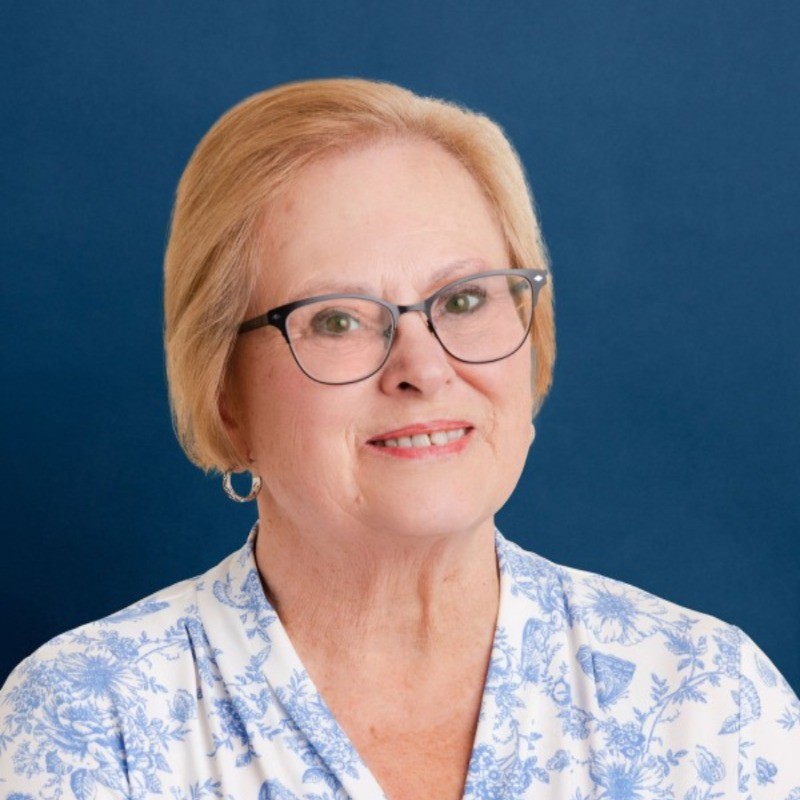
Sandy Rivers, Author & Founder, Authentic Trainings
Tom O'Connor, Publisher
Grandparents and family members across the country are stepping up to care for the children being devastated by the opioid/fentanyl epidemic. They feel pressure to "do the right thing" while fighting the stigma that, because it is a family issue, they should handle it on their own. Then, they have to learn to navigate the family court system, draw on their savings to support the children, and deal with the emotional baggage the children bring with them. When my daughter faced opioid use disorder, I had no intention of being a parent again, and I was ill-equipped when my grandchildren came to live with me. But there I was, sharing custody of my 15-year-old granddaughter and providing primary care for 12-year-old triplets. Their safety had to come first.
My daughter was an amazing mother until she wasn't, and it crushed me to admit that my adult daughter had a heroin use disorder.
Everything changed when she became one of 495,000 adults over 26 years of age turning to heroin. It was a typical story. Her boyfriend and father of her three children had been a marijuana and cocaine user who progressed to heroin. As his disease progressed, she succumbed to the pressure. It wasn't long before she was fully physically addicted.
I was an active grandparent, but I had no desire to be a full-time parent again. I had a job that I loved, and I was moving into management. My husband and I had a small hobby farm, and we were delighted to have our grandchildren visit. We had reached that time of life when things were calm, stable, and predictable. And we liked it that way.
As a credentialed alcohol and substance abuse counselor, I should have recognized the signs. One of the kids said to me, "We aren't supposed to talk about that." They seemed to be hungry all the time. When I stopped by to visit, my daughter couldn't wait for me to leave. They were afraid of what I might see. I made excuses for her. She is raising four children with a drug user. Maybe it is depression. The very thought of my daughter being a heroin user would not register. In the beginning, it was not even a possibility.
Like so many parents, I thought, "Not my kid." I overlooked the warning signs and stepped in to help her over this "rough patch." That is, until the day I stopped at the house unannounced. When I entered, the curtains were drawn, and the room was dark. She didn't even get up. As I started talking to her, I witnessed the famous opioid "nod." In mid-sentence, her eyes drooped, her mouth fell open, and her head flopped forward. I cried and knew the children were no longer safe in her care.
My experience was not unique. National estimates are between 60,000 and 180,000 maltreatment reports made annually by relatives involving neglect due to parental substance use disorder. It is one of the leading drivers of foster care placement in the US.
I made the first child abuse report out of fear, hoping that it would shock her into getting help. Child abuse reports are anonymous, but it was easy to figure out who made the call. As a result, I was barred from the house, and the children were warned not to talk to me. There would be one more child abuse report before my granddaughter called on the phone, she said,
"I can't take it anymore, Grandma."
With the help of family members on both sides, we were able to get the children out of the home under the guise of visiting an out-of-town aunt.
Once they were safe in the out-of-town aunt's home, an emergency joint custody order was filed.
This would be the first of many trips to family court, social services, doctors' appointments, schools, and visitations. We filled out paperwork, gathered documents, fought for the children's rights, all the while providing physical and emotional support.
My heart broke the first time we met at family court. I saw the anguish on my daughter's face, now out of inpatient treatment. I also remembered how she had rallied before when social services became involved. I was the wall between her and her children's return home.
Like many parents, my biggest fear was that my daughter might give up and overdose. The children provided some structure. She had to take them to school, where people would see her. What would happen when that structure was gone? Would she ever forgive me? Would she survive?
Too often, grandparents are caught between their love for their child and the safety of their grandchildren. In the 1980s, grandparents stepped in during the crack cocaine epidemic, and this trend has continued with the opioid crisis. In addition to the neglect charges, more than 30,000 kids are losing parents to overdose deaths every year, adding layers of grief to the already heavy load.
With limited family services, families are left to navigate a foreign system on their own. One underfunded and underutilized resource is peer support. A Certified Recovery Professional Advocate with a Family Designation can help families navigate the recovery process by providing referrals, education, and support as they work toward stability. When families utilize peer support advocates, they gain someone who has been there and is willing to walk with them through unfamiliar territory. Some families don't realize they can get assistance for the children through social services or that they might qualify for legal aid.
With treatment services for family members almost non-existent, peer support becomes the most valuable resource available to families. Research indicates that involving the family in addiction treatment improves outcomes for all members. Every family member is impacted and deserves to have the same opportunities for care that we provide to someone with a substance use disorder.
My family was fortunate. My daughter survived, entered treatment, and regained custody of the triplets. Her oldest daughter still struggles to trust her, and the relationship remains complicated. I am still recovering from the financial strain and the emotional toll, and my retirement plans have been put on hold.
But many families don't get this outcome.
Across the country, grandparents are quietly stepping in, sacrificing their stability, their finances, and often their relationships with their own children to keep their grandchildren safe. They are doing what needs to be done.
They are doing it alone.
If we expect families to carry this burden, we must also support them. Because behind every statistic is a family like mine, trying to hold itself together.
No family should have to struggle alone.
Read Sandy's bio by clicking her icon at the start of this article.
If you enjoyed this article,
Please forward this to a friend or colleague who might benefit from it!


Comments