


Chronic Stress and Long-Term Health in Children of Substance Use Disorder

Author of the Month
July 13, 2026
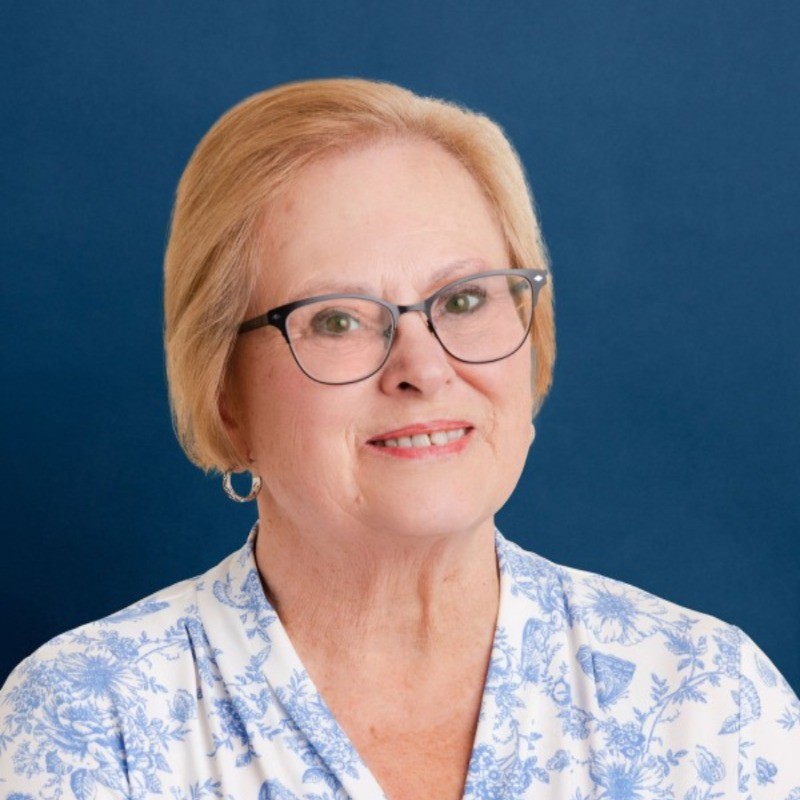
Sandra Rivers, MA, CASAC-M, RCP, Author & Founder, Authentic Trainings
Tom O'Connor, Publisher
Substance use disorder (SUD) in the home creates more than instability. It creates a daily environment of stress that children must learn to manage, with long-term effects on a developing nervous system.
When my daughter and the children's father turned to opioids, my 10-year-old granddaughter was one of these children managing the day-to-day stress for both her and her triplet siblings. She regularly took them to the park for what she called a "picnic." Once she got them settled, she walked across the street to a free lunch program and returned with the "picnic." The kiddos had a great time and often recall these outings fondly. My granddaughter's childhood ended as she took on the responsibility for her siblings' well-being, with no authority and few resources.
The truth? In their home, the refrigerator was off-limits, even though hundreds of dollars in food stamps were coming in every month. They were never allowed even to get a bowl of cereal without permission. Food stamps became a form of currency that supported their drug use.
My granddaughter, like many children in substance-using homes, took on the role of the parent. She was repeatedly threatened and warned not to talk about what was happening in the home, further isolating her.
Her fear of losing her family overshadowed her desire to reach out for help. For four years, she kept things together until it got so bad that she felt she had to do something for her siblings and herself. Her health was deteriorating with severe stomach issues, weight loss, and anxiety attacks. Too much pressure and responsibility for a young girl had taken its toll. She felt she had to ask for help, knowing it meant the end of her family as she knew it.
Stories like this are not rare. They reflect a pattern seen in many homes affected by substance use, where children adapt quickly to survive, often at the expense of their own physical and mental health.
Over time, living in this kind of environment and taking on these adult roles taxes the child's central nervous system, disrupting their development. Instead of learning to manage emotions with the help of a safe, supportive adult, these children often have to figure it out on their own. They may stay on high alert, always ready for what might happen next, or learn to push their feelings aside just to get through the day.
Dr. Daniel Siegel, a leading expert in childhood trauma and brain development, explains what happens in the brain. A child's brain develops based on repeated experiences. When those experiences are stressful, the brain adapts for survival. The systems that scan for danger become stronger, while the systems that support calm thinking, emotional balance, and decision-making don't develop as fully. Over time, this can make it harder for a child to feel safe, regulate emotions, and respond to stress in healthy ways.
Research on adverse childhood experiences (ACEs) has consistently shown that prolonged exposure to stress in childhood is linked to higher risks of both mental and physical health problems later in life. These can include conditions such as irritable bowel syndrome (IBS), chronic pain disorders like fibromyalgia, hormonal imbalance, immune system dysfunction, headaches, ulcers, panic, and sleep disturbances. While stress is not the only cause of these conditions, it is a significant contributing factor.
In an effort to take care of her siblings, my granddaughter became hypervigilant and controlling. And as many firstborn children in this environment do, she became a high achiever. She was driven and capable, and she felt she could do everything on her own. All the while, her weight dropped to 82 pounds. The stress was destroying her body as she put everyone else's needs above her own.
This kind of early environment also affects how children form relationships. When caregivers are inconsistent or unavailable, children may not develop a healthy sense of safety or trust. They may struggle to rely on others for comfort in relationships. Just as importantly, they may not fully learn how to calm themselves when they are upset. Without consistent support early in life, emotional regulation can remain difficult, leading to anxiety, feeling overwhelmed, or apathy.
Even in adulthood, the effects of this early stress can continue. My granddaughter's world has become smaller as she works hard to maintain emotional boundaries and stay regulated. She still feels a strong sense of responsibility for her siblings, who are now 23, and often steps into a parental role with them. At the same time, I watch her struggle to trust others and to allow herself to be supported or cared for. Physically, she continues to manage fibromyalgia, challenges with maintaining her weight, and the ongoing effects of chronic stress.
Despite what we know, services for children growing up in homes affected by substance use disorder remain limited. Most substance use treatment programs focus on the individual and do not address the needs of family members. Mental health services for children often focus on helping them cope, rather than addressing the underlying stress and trauma they are experiencing.
Recognizing the damage done to children growing up with chronic stress in a substance-using environment is the first step. We need practical, hands-on, relationship-based support. Trauma research demonstrates that one protective factor is having an adult who comes alongside the child at some stage in their life. We see this with teachers, coaches, other family members, counselors, and family friends. That one individual can make all the difference in supporting a young person by teaching them about healthy relationships, self-care, and trust.
A peer support specialist trained to work with families can play a critical role. They offer connection, understanding, and guidance in a way that traditional services often cannot. The bonus is that they work in the community rather than in an office. Integrating peer support into schools, healthcare systems, and community programs can help bridge the gap and provide meaningful support to children who are too often overlooked.
Addressing the needs of these children requires a shift in how we think about care. Rather than focusing solely on individual treatment, we need approaches that recognize the impact on the family, including the environment, stress, and child development. When we do this, we not only support children in the present but also improve long-term outcomes for their health and well-being. Children deserve environments where they can thrive, not just survive.
My granddaughter is the most courageous young woman I know. Last week, I had the privilege of attending her graduation from a prestigious university. Her journey was not an easy one. After a year at community college, health challenges forced her to withdraw and seek help. She fought hard to overcome the physical and emotional wounds caused by the substance abuse within her family.
With determination and support, she found her way back. She completed her associate's degree, transferred to earn her bachelor's degree, and accomplished it all while working full-time. Her resilience, strength, and perseverance were forged through adversity. She found the courage to rise above it all, but truthfully, she never should have had to endure those hardships in the first place.
Read Sandy's bio by clicking her icon at the start of this article.
If you enjoyed this article,
Please forward this to a friend or colleague who might benefit from it!


Thank you for this inspiring story, Sandy, and for all your restorative work in your own family and with families in the community. So valuable, so necessary. For myself - and I know 12-Step is unfashionable - I found ACoA (Adult Children of Alcoholics, https://adultchildren.org/) to be life-saving and life-enriching, and I can't recommend this (voluntary donation only) program highly enough. ☘️