


My Long-Term Recovery Journey: A Better Version of Myself
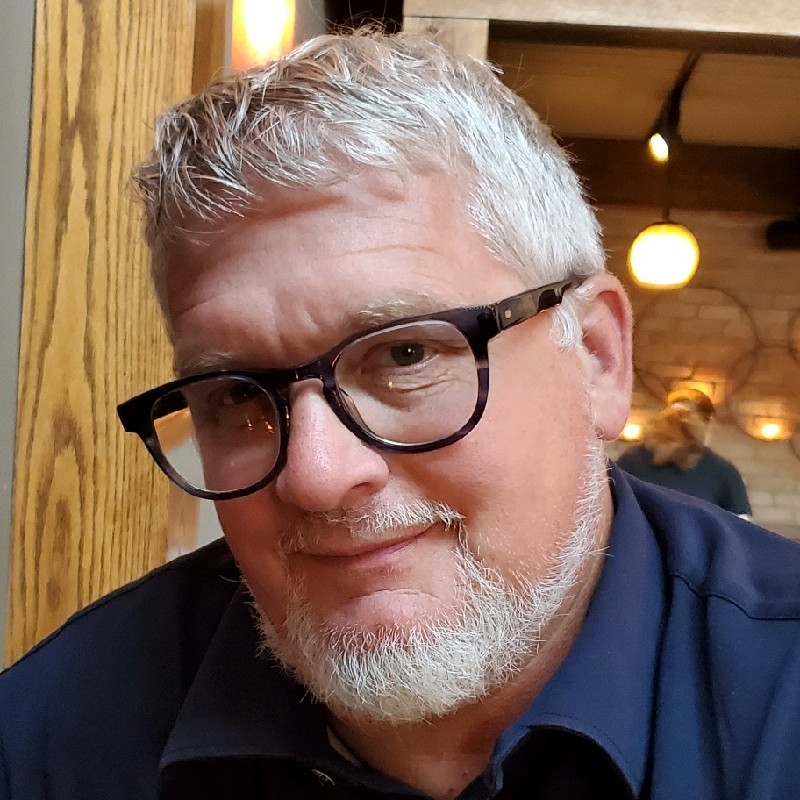

Author of the Month
August 3, 2026
William Stauffer, Author
Tom O'Connor, Publisher
My journey of long-term recovery from substance use disorder has been a transformative one, leading me to become a better version of myself. It's a process of healing and growth that extends beyond sobriety. By setting realistic goals, building supportive relationships, and focusing on a positive future, I've been able to reinvent my life. This journey has not just changed, but transformed my identity, infusing it with more purpose, energy, and happiness.
The Magic Number
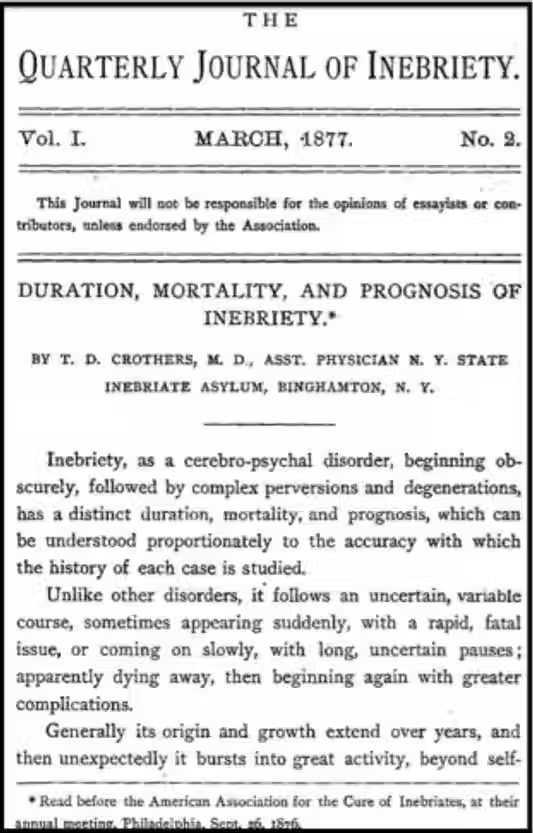
When I embarked on my journey of substance use disorder, the first 39 hours seemed insurmountable. The thought of reaching 39 days without using was beyond my wildest imagination. Yet, that landmark day arrived when I chose to stop using and start living. I would have bet everything I had, as depicted in the era above, on failing to reach those two milestones. And yet, here I am, just a few hours shy of 39 years in continuous recovery. Recovery has not just changed, but transformed everything for me.
As far as the substance use thing, I do not drink alcohol, and I do not use cannabis. I do not use opioids, nicotine, or illicit stimulants. The use of these substances is life-threatening for me. There is almost nothing simple with respect to the continuum of substance use conditions and the spectrum of their resolution.
Yet one thing actually is simple for those with the most severe forms, like I have (in remission). The fact, for those of us on the far end of that spectrum, is that use tends towards greater use and inevitably towards a loss of control. In that state, all reasoning goes out the window. I then did what I needed to do, despite the consequences that might follow in the minutes, hours, or days to come. While that may not be the case with other forms of the condition, I am well beyond reasonably sure it is true for me.

Is It My Fault?
You may say it is my fault I am like this. I disagree. I did decide to use drugs, but that is also true for the vast majority of people in our society, when you consider that alcohol is a drug. I did not know that my "on" and "off" switch was broken at the start.
You may say that I should not have used it as a kid; of course, you are right, but I made that decision without a fully mature brain at age 11, and the ball began to roll and gain momentum. You may say I should have controlled my use and its consequences to me and those in my path, but that was well beyond me. The last point may be hard to grasp for some, but it just is not like that for people like me.
On-Off Switch
I have an "on" and an "off" switch, and "on" is scary and ugly, not what I want for me or for those around me. Off it stays.
There is actual scientific evidence supporting my course and explaining why, for those of us with the most severe forms, it is best to turn off the "use" switch. Not to get too deep into that part, but science does show what experiential knowledge has shown people for generations.
Dr. John Kelly et al, in Prevalence, predictors, correlates, and dynamic changes in the NIAAA-defined 'recovery' definition, published a few weeks ago, comparing non-abstinence substance resolution strategies to the "off switch," aka "abstinence," found that abstinent people were the most stable group, even though they had the highest historical clinical severity. It is a good paper, and there are many other such findings.
Rolling the Dice
Back in the mid-80s, I was conducting my own field study in less clinical settings, and what I found was significant. I had no idea what would happen when I used drugs, including alcohol. It was like rolling the dice: a single drink or drug could lead to a few more, or it could set off a destructive and painful chain of events. This unpredictability was scary, and it led to feelings of shame and self-loathing, as I believed it was my fault that I was in this situation.
Something overrides nothing in my head in an unpredictable way that defied any of the variables I tried. The conclusion that not just saved but started my life is that I am simply not wired that way. It is that simple thing I know about the form of my complex condition. I can choose "off" or "on." That is my full range of choices if I want to be in the driver's seat of my life. Off it stays.
I am not 39 times the superior version of myself that I was in that first year. I definitely like what I see in the mirror I look into now better than what I saw then. I suspect that this version is probably a better one of me than would have unfolded if I had never been addicted in the first place.
While this may seem an odd assertion, I have failed hard and had to face ugly things in ways that generated humility, in the Latin "humilis," meaning "low" or "from the earth."
Resilience and Gratitude
I received early-life schooling in my limitations and in what could be done to build my capacity. I have lied to myself and others, and that has revealed to me the full value of integrity. I have empathy for others; I could not have gained it in any other way than what I went through. I certainly can't judge anyone. I have a purpose that brought me out of the pain and keeps me going, even now, over 14,000 days beyond that first one on this journey. So yes, I am one of those grateful types, and I attribute my resilience and gratitude to my recovery journey.
I am grateful to be alive and to enjoy rather than dread the day ahead of me. I am not better than anyone else, yet I am better than what I was and what would have unfolded along the trajectory I was on. I am grateful to all who helped me in my journey, all those who believed in me when I could see little of value in myself. I am thankful to be a formerly young person still in recovery for many reasons, not the least of which is that I don't think I would have seen the decades I have had the opportunity to live. There is nothing in my life that I am more grateful for than my recovery.
What are you grateful for today?
Take a moment to reflect on your own journey, the challenges you've overcome, and the people who have supported you. Expressing gratitude is a powerful tool in the recovery process, and I encourage you to find something to be grateful for each day.
Read Bill's bio by clicking his icon at the start of this article.
If you enjoyed this article,
Please forward this to a friend or colleague who might benefit from it!


Comments