


Polysubstance Use: One Pattern With Multiple Tools


October 12, 2026
John Makohen, Author
Tom O'Connor, Publisher
🧭 This article explores possible reasons for using multiple substances. Assessment and treatment should address each substance and the individual’s needs. Mixing drugs can increase overdose risk. Speak with a clinician before changing substance use or prescribed medication. If you suspect an overdose, call 911.
KEY POINTS
Polysubstance use involves using different substances together or close in time; John Makohen asks what each substance does for the person. |
Sleep, anxiety, pain, mood, and energy are possible needs to explore—not explanations that apply to every person or every combination. |
Asking about timing, sequence, and perceived effects can help clinicians understand a pattern alongside substance-specific assessment. |
Mixing depressants or combining stimulants and depressants can increase harm; apparent balance does not make a combination safe |
The article’s tracking exercise is an assessment aid, not a substitute for medical evaluation, withdrawal planning, or individualized treatment. |
You are not "doing a bunch of substances." You are trying to manage sleep, anxiety, pain, and mood using whatever works fastest. The pattern is the diagnosis. The pattern is also the treatment target.
Understanding the Needs Behind Polysubstance Use
People love to count substances.
Alcohol plus pills.
Stimulants plus alcohol.
Opioids plus benzodiazepines.
A little cannabis to sleep.
A little caffeine to function.
Counting makes it look like chaos.
Yet polysubstance use disorder is often one pattern with multiple tools. You are trying to manage a few core states.
Sleep that will not come.
Anxiety that will not shut up.
Pain that stays loud.
Mood that drops hard.
So the mix is not random. The mix is problem-solving. CDC defines polysubstance use as using more than one drug, taken together or within a short time period, sometimes intentionally to increase or decrease effects. That is the key. People combine to change effects.
That means the treatment conversation must start with function. What is each substance doing for you?
The Needs Each Substance May Be Serving
Most polysubstance patterns trace back to these jobs.
Sleep
Alcohol shuts the brain down
Cannabis to quiet thoughts
Sedatives to knock out
Stimulants the next day to recover
Anxiety
Alcohol to blur fear
Benzodiazepines to flatten panic
Cannabis to reduce tension
Stimulants to feel in control
Pain
Opioids to reduce pain
Alcohol to numb
Sedatives to sleep through discomfort
Stimulants to push through the day
Mood and energy
Stimulants to feel motivated
Alcohol to "come down."
Cannabis to change mood.
Sedatives to stop racing thoughts
Ask yourself a hard question.
If you removed the substances, what problem would you have to solve first?
That answer tells you where to focus.
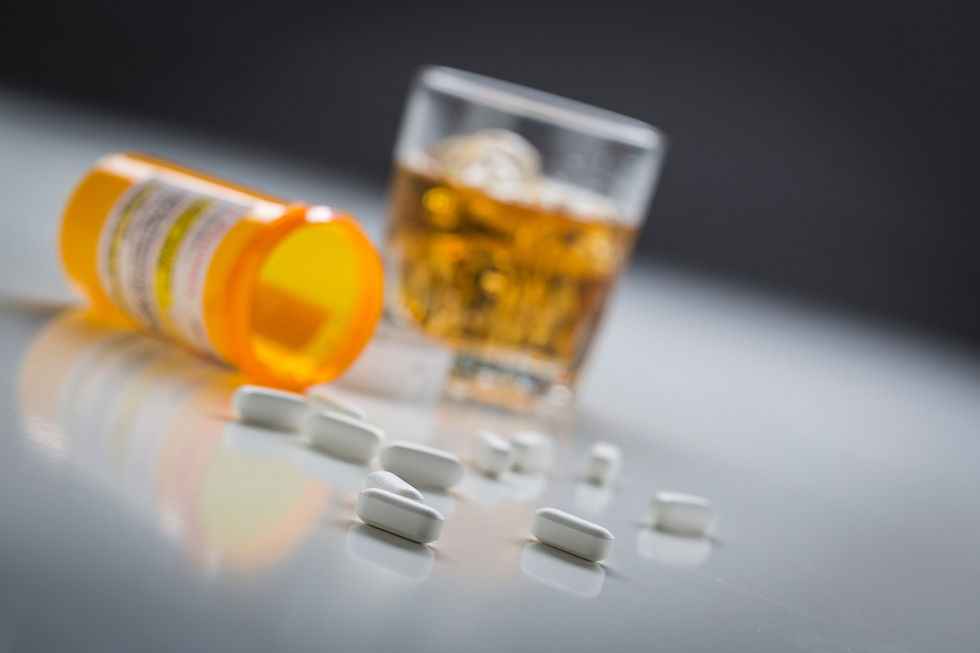
"Downers plus downers" is a drug poisoning setup
Some combinations are risky because they stack the same effect. Alcohol is a sedative. So are many medications with sedating effects. NIAAA notes that mixing alcohol with certain medications can raise the risk for harmful events, including breathing problems and fatal outcomes.
This is where people get hurt unintentionally. A person might take a prescribed medication as directed and drink on top of it. Or take something from a friend. Or use an illicit pill that is not what they think it is. The body does not care about intent. Respiratory depression is respiratory depression. CDC has documented alcohol involvement in opioid pain reliever- and benzodiazepine-related emergency visits and deaths.
So if a client says, "I only drink," ask the next question. What else are you taking that day?
"Up then down" is also a risk pattern.
Another common pattern is stacking stimulants and depressants.
Stimulants to go out.
Alcohol to soften the edge.
Sedatives to sleep.
Caffeine to recover.
People call this balance. It is often a stress loop. The body gets pushed up and pulled down. Sleep quality drops. Anxiety rises. Then the next day starts with a deficit. That deficit becomes the next trigger.
Polysubstance Use and Nervous System States
If you work with trauma, you see this fast.
Hyperarousal looks like:
racing thoughts
anger spikes
insomnia
scanning for danger
startle responses
Hypoarousal looks like:
numbness
shutdown
emptiness
low motivation
social withdrawal
People with polysubstance use disorder often use different tools for different states.
Stimulants for shutdown.
Alcohol for hyperarousal.
Sedatives for insomnia.
Cannabis for both, depending on the person.
So the pattern is not "more mind-altering drugs." The pattern is nervous system management.
Why Treatment Must Address More Than One Rule
A single rule like "just stop" ignores function.
If alcohol is used for sleep, stopping alcohol can expose one to insomnia.If stimulants are used for motivation, stopping stimulants can expose one to depression.
If opioids are used for pain, stopping opioids can expose untreated pain.
That does not mean the person should keep using. It means the plan has to replace the function.
SAMHSA notes that co-occurring mental disorders and substance use disorders are common, and treatment needs to address both. If you treat only the substance and ignore the anxiety, sleep issues, trauma, or pain, polysubstance patterns often come back through a different door.
Three Questions That Clarify Polysubstance Use
To understand polysubstance use disorder, ask these questions and write down the answers.
What does each substance do for you? Get the function in the client's words.
When do you combine? Time of day. Days of the week. Specific triggers.
What is the sequence? Which substance comes first? Which comes next? Which ends the day?
Sequence matters because it shows where to intervene.
If the sequence is:
Stress at work
Alcohol at 6 PM
Sedative at 11 PM
Then the real target might be the 6 PM transition, not the 11 PM sedative.
Track the Time, the Substance, and Its Perceived Job
People get overwhelmed when you ask them to track everything. Keep it simple.
Use a three-column log for seven days.
Time
Substance used
The job was done
Examples of "job" categories:
sleep
anxiety
pain
mood
energy
social confidence
You are not collecting data for curiosity. You are building a map.
Once you have the map, you build substitutes.
Replace the job, not only the substance.
If alcohol is used for sleep, the replacement plan has to include sleep skills.
If sedatives are used for panic, the replacement plan has to include panic skills.
If stimulants are used for depression or low motivation, the replacement plan has to include routine and reward.
Possible Supports to Discuss in an Individualized Plan
Sleep
consistent wake time
low light at night
food and hydration
short wind-down routine
body scan or breathing drill
Anxiety
cold water on hands
slow exhale
short walk
text support
grounding in the room
Pain
medical care plan
movement plan that does not flare pain
heat or cold
pacing skills
support around grief and fear tied to pain
Mood and motivation
morning light
basic movement
small task list
social connection
realistic goals
Ask yourself. What is the first job you need to replace for the whole pattern to start loosening?
Polysubstance Use and Drug Poisoning Risk
Polysubstance use disorder raises risk because combinations can amplify impairment and suppress breathing, and because supply is unpredictable. CDC has highlighted polysubstance use as common and has focused prevention messaging on the risks of combining drugs. CDC has also reported trends in benzodiazepine-involved drug poisoning deaths and noted changing patterns over time, including increases tied to illicit supply.
So a person can think they are using one substance and be exposed to another. That is not a moral issue. That is a safety issue.
Building a Plan Beyond the Substance List
If you are a clinician, stop treating substances as if the list were the diagnosis. If you are trying to change, stop shaming yourself for being "out of control."
Polysubstance use disorder is often one pattern with multiple tools. Your job is to identify the pattern. Then build a plan that replaces the jobs.
Sleep. Anxiety. Pain. Mood.
When those needs are addressed, the "need" to mix drops. That is where risk drops. That is where stability starts.
John Makohen also authored two influential books: A Heroin User's Guide to Harm Reduction: Staying Alive in the Age of Fentanyl and Xylazine and Resilience: Building Strength in Early Recovery.* The first is a bold, honest survival manual for people who use drugs in today's overdose crisis. The second book is a straightforward guide with practical strategies for building strength and confidence during early recovery.
Read John's bio by clicking his icon at the start of this article.
If you enjoyed this article,
please forward it to a friend or colleague who might benefit.


Comments