


Co-occurring Mental Health Disorders
Updated: Jan 25
December 1, 2025
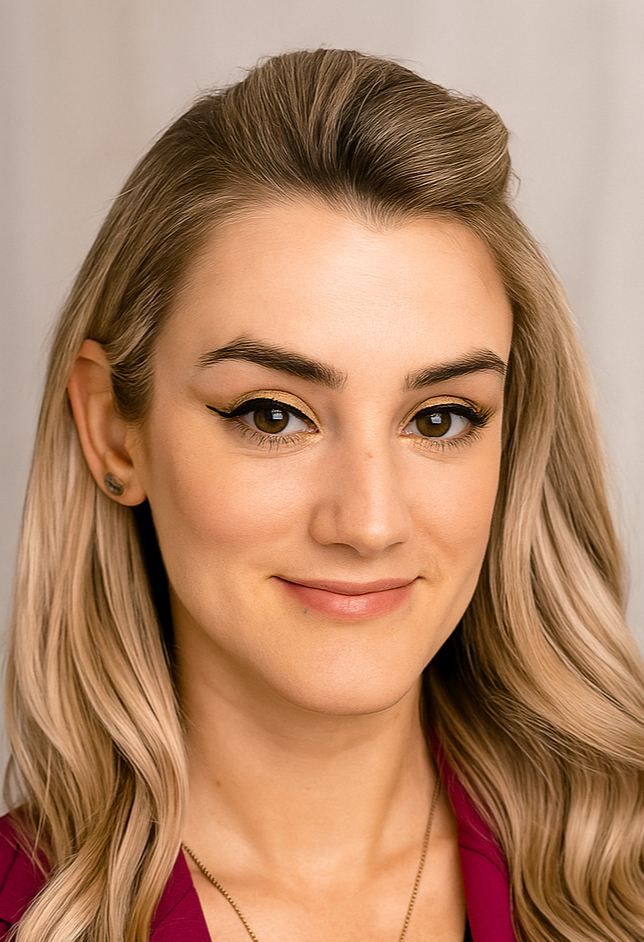
Katherine Reynolds, Author & Wayfinder Recovery Coaching
Tom O'Connor, Publisher
Author Katherine Reynolds is a Certified Recovery Coach with over a decade of experience supporting individuals and families as they navigate addiction, mental health challenges, trauma, and life transitions. According to Katherine Reynolds: "Co-occurring disorders—or dual diagnoses—are far more common than we tend to acknowledge. As someone who has navigated both personal and professional realms of mental health and addiction, I've seen just how intertwined these challenges can become."
After struggling with opioid use disorder for four years and experiencing multiple overdoses and suicide attempts, Katherine received life-saving care thanks to Medicaid. For 16 years, Medicaid covered every level of treatment she needed: detox, inpatient, outpatient, long-term mental health care, and Medication Assisted Treatment (MAT), which would have been financially impossible otherwise. These services helped her survive trauma, learn to regulate, and begin to heal.
Katherine's Story
Before I became a recovery coach, I was a teenager grappling with my own mental health challenges. I struggled to understand my paralyzing anxiety, self-harm, intrusive thoughts, and emotional pain. I was given labels—depression, bipolar, borderline—and prescribed medications that rarely helped and often made things worse. This personal journey has deeply influenced my work today.
I turned to substances not because I wanted to escape reality, but because reality felt unbearable. Drugs seemed to offer what therapy and medication hadn't: temporary relief, connection, joy, fun. Until they didn't anymore, but by that point, it crossed the line into an addiction.
Professionally, I now work with individuals who carry similar stories. Most of them aren't just navigating addiction or mental health issues—they're navigating both, along with trauma, isolation, and shame.
Silo Care
The most heartbreaking thing? Many have been failed by systems that silo care. They've been told, "We can't treat your depression until you stop using," or "We don't do mental health here, just addiction." Imagine hearing that when your addiction is rooted in unaddressed PTSD or when your psychosis gets worse during withdrawal. It's not just bad practice, it's dangerous.
Why Integrated Treatment Matters
Recovery is not about treating one aspect of a person. It's about taking a holistic approach that goes beyond the labels of 'addict' or 'mentally ill.' It's about understanding how symptoms can feed into each other. Effective care means integrated care, where mental health and substance use treatment work together as part of the same team.
"The Power of Peer Support" is one of the benefits of peer support. A bridge between clinical treatment and lived experience. It's one thing to hear from a professional that things can get better. It's another to listen to it from someone who's been there, sat where you're sitting, and still made it out. Peer support brings connection, hope, and practical wisdom you can't find in a textbook. It's a reminder that you're not alone in your journey, and that recovery is possible. I've seen firsthand how peer-led recovery can be a pivotal turning point in someone's healing journey.
Common Co-Occurring Pairings
Some of the most common combinations I've encountered include:
Depression and alcohol use/cannabis use
PTSD and opioid addiction
Bipolar disorder and stimulant use
Anxiety and benzodiazepine misuse
ADHD and cannabis or digital addiction
Many clients don't even realize they're dealing with co-occurring disorders. They may come in for help with substance use and only later begin to recognize underlying trauma or a long-undiagnosed mental health condition. That's why screening and ongoing assessment are so important, and why our approach must remain flexible and compassionate.
*If you are enjoying this article, you might also like Substance Use and Co-Occurring Mental Disorders
Co-occurring Disorder Client Example
I once worked with a woman I'll call "Linda," a 67-year-old retired school administrator who developed Alcohol Use Disorder later in life. On the surface, Linda seemed like someone who "had it all together". She had a successful career, owned her home, and was actively involved in her church. But retirement brought a sudden and uncomfortable stillness. With the structure and demands of work gone, children grown and out of the house, long-buried memories and emotional pain began to surface.
Linda had experienced chronic childhood trauma: neglect, emotional abuse, and a string of unresolved losses. For decades, she had coped by staying busy and productive. But now, without a role to play or others to care for, the silence felt unbearable. She began drinking in the evenings to help her sleep. Then it became afternoons. Eventually, it became a daily occurrence, and she felt ashamed but couldn't stop.
When we first met, Linda described feeling "like a ghost in my own life." She had tried therapy before, but had never told the whole truth. Her drinking felt like a dirty secret, especially as an older woman. She feared being judged or dismissed, both for drinking and for still struggling with childhood trauma "at her age."
Through integrated support—including trauma-informed therapy, peer connection, and recovery coaching—Linda began to feel seen, not scrutinized. We worked on harm reduction strategies and slowly replaced alcohol with healthier self-soothing techniques. She joined a women's recovery group where she heard others echo her story. Most importantly, she started to believe that it wasn't too late to heal.
Linda's journey reminds me why we need more nuanced conversations about co-occurring disorders, especially for older adults, women, and those whose trauma has gone unnamed for too long. Healing doesn't have an expiration date. And for people like Linda, the right kind of support can be life-changing.
What Recovery Can Look Like
Recovery: A Non-Linear Journey. Recovery is not a straight line. It's not a checklist or a 30-day program. It's often a messy, nonlinear, deeply human process of unlearning survival strategies and learning how to live differently. This understanding validates the experiences of those on the recovery journey, acknowledging that setbacks and challenges are a natural part of the process.
I've relapsed. I've tried medications that didn't work. I've questioned whether healing was even possible. But I've also built a life that feels real and grounded. I've helped others do the same. I've sat in sessions where someone says, "I didn't think I'd make it, but I'm still here." Just like me.
And that's why I keep showing up. Not just as a coach or counselor, but as someone who didn't think they would make it to 30 years old and emerged on the other side with an incredible life.
If you or someone you love is living with co-occurring disorders, please know: you're not broken. You're not alone. And there is support available that sees all of you, not just your symptoms.
Katherine Reynolds lives in Mahopac, New York. To reach Katherine, her work number is 845-581-0071. You can visit her website at www.Way-Finder-Recovery.com.
If you enjoyed this article,
Please forward this to a friend or colleague who might benefit from it!

Comments