


What Is Suicide Ideation?
Updated: Jan 2

⚠️ Content Warning: This article discusses suicide, suicidal thoughts, and mental health struggles. If you or someone you know is in crisis, call or text 988 (U.S.) to reach the Suicide & Crisis Lifeline.
December 22, 2025
Author of the Month
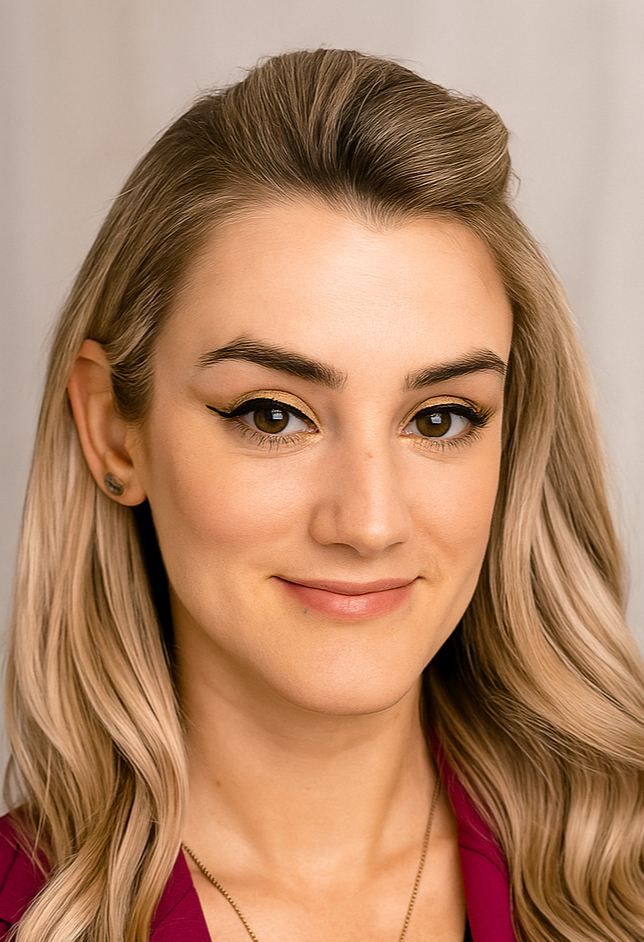
Katherine Reynolds, Author & Wayfinder Recovery Coaching
Tom O'Connor, Publisher
"I don't want to die, I just don't want to feel like this anymore." There's a particular kind of pain that makes people want to disappear. Not to die forever but to rest from the exhaustion of being alive when everything hurts.
That thought, "I just don't want to be here anymore", is often labeled as a symptom of mental illness, but for many of us, it began as something else entirely: a coping mechanism. A way to survive unbearable internal experiences before we had the language, safety, or support to express them.
Understanding Passive and Active Suicidal Ideation
Passive suicidal ideation is when someone wishes they could stop existing ( ex, to fall asleep and not wake up), but they don't have intent or a plan to die. It often sounds like:
"I just want it all to stop."
"If something happened to me, I'd be okay with it."
"I wish I could just disappear."
In contrast, active suicidal ideation involves thoughts, plans, or intentions to end one's life. It's when the idea of escape begins to take shape in concrete form. Both exist on the same continuum of distress. Both deserve understanding and compassion, not fear or judgment.
A Personal Reflection: The Quiet Desperation of Wanting to Rest
As a teenager, I remember lying on my bed, staring at the ceiling, thinking, "I wish I could just disappear." It wasn't about wanting to die. I didn't want to cause pain or stop existing; I just wanted the world to stop hurting for a while.
There were other times, though, when that wish became more serious. When "wanting to disappear" turned into planning. Pills. Razor blades. Late-night "what if" scenarios that felt comforting in a twisted way, not because I wanted to die, but because they made me feel like I had some control. For years, I carried deep shame for those thoughts. I thought they made me broken, sick, or weak.
Now, as a recovery coach who's lived through that darkness and discovered that I am not broken, sick, or weak, I see it differently. Those thoughts were my mind's last attempt at protection, the only language I had to say, "I can't hold this much pain anymore."
*Here's another article by Katherine Reynolds, click here
Reframing Suicidal Ideation as a Survival Response
In trauma-informed care, we often talk about how the nervous system adapts to overwhelming experiences. When fight, flight, and freeze no longer work, the body may move into collapse, a state of shutdown meant to conserve energy and reduce suffering.
Passive suicidal thoughts often emerge from that state. They are the brain's desperate effort to regulate pain when no safe escape exists.
It's not "attention-seeking." It's relief-seeking.
It's not a moral failure. It's a signal that something inside us has become too heavy to carry alone.
When we treat those thoughts only as symptoms to suppress, we miss the underlying message: I need safety. I need rest. I need a connection.
What Help Actually Looks Like
When I was younger, help meant being locked in a psych ward under bright lights, behind closed doors, stripped of privacy. It rarely meant compassion. No one ever said, "You must be in so much pain to think that ending your life would help."
What I needed (and what so many people need) was someone to see the wisdom inside the symptom. For someone to say: "You are trying to cope with surviving immense pain. Let's find safer ways now."Today, when I sit with clients who say, "I just want to die," I don't panic. I listen. I remember. And I help them find the unmet need behind that thought, whether it's rest, belonging, or the simple human wish not to hurt anymore.
If You're There Right Now
If you're reading this and hovering between wanting to live and not knowing how, please know:
You are not broken. You are trying to cope with something no one should have had to carry alone.
Passive suicidal ideation is not the end of your story; it's your nervous system asking for care, safety, and rest. And there are ways to find those things without disappearing.
Closing Thoughts
When we stop pathologizing every thought of death and start listening to what it's trying to communicate, we move closer to genuine healing. We stop treating people as problems to be solved and start meeting them as humans doing their best to survive impossible pain.
The goal isn't to erase those thoughts, it's to help them evolve into something softer: hope, safety, connection. Sometimes the wish to disappear is really a wish to reappear somewhere safe. That's where recovery begins.
If You're in Crisis
If you or someone you love is in danger, please reach out: 📞 988 Suicide & Crisis Lifeline Call or text 988, or use 988lifeline.org/chat for online support. Available 24/7, free, and confidential.
Katherine Reynolds lives in Mahopac, New York. To reach Katherine, her work number is 845-581-0071. You can visit her website at www.Way-Finder-Recovery.com.
Please forward this to a friend or colleague who might benefit from it!


Comments